Arkalochori Earthquake: New Shakes and Crucial Compensation for Victims
The island of Crete continues to grapple with significant seismic activity, nearly two years after the devastating 5.8 Richter earthquake struck Arkalochori on September 27, 2021. As residents navigate ongoing tremors and the arduous path to recovery, a beacon of hope arrives today with the Ministry processing the second installment of compensation for those affected. This crucial financial aid marks a vital step in rebuilding lives and communities shattered by the seismic events, offering much-needed support as islanders strive to return to normalcy amidst an ever-present geological reality.
For those living in the region, life since September 2021 has been a complex blend of resilience, reconstruction, and a heightened awareness of their environment. Daily routines, which once seemed predictable, now often include an extra layer of vigilance. Indeed, even simple, everyday acts like checking O Kairos Simera (the weather today) take on added significance, impacting decisions from securing damaged roofs against potential rain to planning outdoor recovery efforts in the wake of the latest shakes.
The Continuing Tremors: A Seismically Active Region
The 2021 Arkalochori earthquake, with its epicenter registering a powerful 5.8 on the Richter scale, left an indelible mark on the region, causing widespread damage and displacing thousands. However, that event was far from an isolated incident. Crete lies in a highly active seismic zone, and the period following the main shock has been characterized by a series of significant aftershocks and new seismic events, keeping residents and authorities on high alert.
According to the Geodynamic Institute of the National Observatory, a particularly strong tremor, measuring 6.3 on the Richter scale, occurred south of Crete. This event, initially assessed as a preliminary estimate by the institute, underscored the dynamic nature of the geological forces at play. While distinct from the Arkalochori epicenter, such powerful offshore quakes are felt widely across the island and contribute to the overall seismic stress.
The intensity of the seismic activity around Arkalochori itself has also been notable. On Monday, October 11, at 15:47, another significant shake of 3.7 Richter was recorded. This was followed by a 3.9 Richter earthquake, further highlighting the ongoing restlessness beneath the island. Perhaps most impactful for the affected communities, a strong 4.4 Richter earthquake with its epicenter again in Arkalochori was felt across the entire island, reminding everyone of the continuous challenges faced by the region. These repeated tremors, while often of lesser magnitude than the initial main shock, contribute to structural fatigue, psychological strain, and hinder the pace of recovery.
Staying informed about these seismic events is paramount. The Geodynamic Institute provides crucial updates and analyses, which residents rely on to understand the evolving situation. It's a continuous process of monitoring and adaptation, where every new shake brings a wave of anxiety and a renewed call for vigilance. For a deeper understanding of the broader seismic landscape affecting the island, you can read more at Crete Earthquakes: 6.3 Richter Quake Strikes Amidst Ongoing Seismic Activity.
Crucial Compensation Payouts: A Lifeline for Arkalochori Victims Today
Amidst the ongoing geological instability, the announcement of the second installment of compensation payouts is a significant development, bringing tangible relief to victims. Today, Monday, the Ministry is proceeding with these payments, which are vital for residents still struggling to rebuild their homes and lives. The initial 5.8 Richter earthquake, centered in Arkalochori, caused extensive damage, rendering many properties uninhabitable and forcing families into temporary accommodations.
These compensation funds are not merely financial aid; they represent a critical lifeline. They allow affected individuals and families to cover essential expenses, from repairing damaged structures and securing new housing to replacing lost belongings and supporting their daily living costs. The bureaucratic process following such a disaster can be complex and slow, making timely and consistent disbursements like this second installment incredibly important for maintaining momentum in recovery efforts.
For many, receiving these funds today will enable critical decisions. For instance, understanding O Kairos Simera (the weather today) becomes an immediate practical concern for beneficiaries. If the forecast calls for rain, funds might be immediately allocated to temporary waterproofing or securing tarpaulins for damaged roofs. If it's clear, they might prioritize outdoor demolition or construction work. The convergence of financial aid and real-time environmental conditions illustrates the immediacy of the challenges faced by victims.
The government's commitment to these ongoing payouts signals a long-term approach to disaster recovery, acknowledging that rebuilding is a marathon, not a sprint. It helps alleviate some of the immense financial and emotional burden on the shoulders of the Arkalochori community, allowing them to focus on the future with a renewed sense of hope.
Navigating Post-Quake Life: Practical Advice and Community Resilience
Living in a seismically active area, particularly after significant events, requires a proactive approach to safety and preparedness. The residents of Arkalochori and broader Crete have, through necessity, become experts in resilience. Here are some practical tips and insights for navigating life in a post-earthquake environment:
- Stay Informed: Regularly check updates from official sources like the Geodynamic Institute of the National Observatory. Their real-time data and analyses are invaluable for understanding seismic patterns. For the latest on Crete's seismic activity, refer to Crete Seismic Activity: Latest Updates from Geodynamic Institute.
- Emergency Kits: Maintain a well-stocked emergency kit with water, non-perishable food, a first-aid kit, flashlights, a radio, essential medications, and important documents. Ensure it's easily accessible.
- Structural Assessments: If your home was damaged, ensure it undergoes thorough structural assessments by certified engineers before making significant repairs or re-occupying it. Aftershocks can exacerbate existing damage.
- Family Emergency Plan: Develop and practice a family earthquake plan, including designated safe spots within the home and an outside meeting point. Discuss communication strategies in case phone lines are down.
- Monitor Weather Conditions: Pay close attention to O Kairos Simera (the weather today). Rain can worsen conditions for damaged buildings, potentially leading to collapses or mold growth, while strong winds can further compromise unstable structures. This awareness directly impacts the safety and effectiveness of recovery work.
- Psychological Support: The trauma of earthquakes can have lasting psychological effects. Don't hesitate to seek support from mental health professionals or community support groups. Sharing experiences can be incredibly healing.
- Community Networks: Engage with local community groups and initiatives. Strong community ties are often the first line of defense and support during and after a crisis.
The collective spirit of the people of Arkalochori and Crete has been a testament to human resilience. Despite the challenges, there's an undeniable drive to rebuild, not just structures, but the very fabric of their communities. This ongoing commitment, supported by timely compensation and a shared vigilance, forms the bedrock of their recovery journey.
The Broader Geological Context: Why Crete is Vulnerable
Crete's position in the Eastern Mediterranean makes it one of the most seismically active regions in Europe. The island sits on the Hellenic Arc, a major tectonic boundary where the African Plate subducts (slides underneath) the Aegean Sea Plate. This continuous geological interaction generates immense stress, leading to frequent earthquakes, some of which can be very powerful.
The complexity of this subduction zone, combined with various fault lines crisscrossing the region, means that earthquakes are a recurring phenomenon for Crete. While scientists can monitor seismic activity and provide warnings, predicting the exact timing and magnitude of an earthquake remains impossible. This geological reality underscores the importance of stringent building codes, robust emergency preparedness, and a well-informed populace.
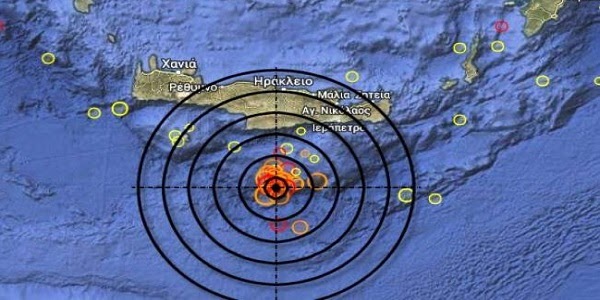
Understanding this broader context helps in appreciating why the tremors persist and why long-term recovery strategies, including consistent compensation payouts, are not just about rebuilding after a single event but about adapting to an inherent environmental characteristic of the region. The map showing the epicenter of the 5.8 Richter earthquake in Arkalochori vividly illustrates these geological realities, highlighting the specific vulnerability of the area.
Conclusion
The journey to full recovery for Arkalochori and the wider Cretan region is ongoing, marked by both the persistent rumble of seismic activity and the steady progress of reconstruction. The processing of the second compensation installment today is a critical milestone, offering tangible support to those most in need. It underscores the commitment of the authorities to aid the affected communities and provides renewed hope amidst challenging circumstances. As residents continue to rebuild their homes and lives, they do so with a heightened awareness of their environment, meticulously monitoring geological updates and even daily considerations like O Kairos Simera (the weather today) to inform their recovery efforts. The resilience, adaptability, and unwavering spirit of the Cretan people remain the most powerful forces in overcoming these natural adversities, paving the way for a stronger, safer future.