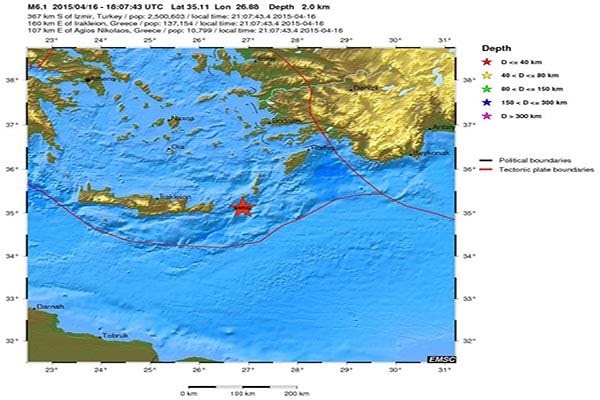
Crete Earthquakes: A 6.3 Richter Quake Strikes Amidst Ongoing Seismic Activity
The island of Crete, a jewel in the Mediterranean, is no stranger to seismic activity. Situated at the convergence of major tectonic plates, its history is punctuated by powerful earthquakes. Recently, the island has once again experienced significant seismic unrest, most notably a powerful 6.3 Richter quake that struck south of Crete, sending ripples of concern across the region. This event is not isolated but part of a continuous pattern of tremors that have kept residents on edge, prompting authorities to intensify monitoring and response efforts. Understanding these events is crucial for both residents and visitors to this geologically active, yet breathtakingly beautiful, island.
The Latest Major Tremor: A 6.3 Richter Quake Rocks Crete
In a significant development that underscored Crete's seismic vulnerability, a powerful earthquake measuring 6.3 degrees on the Richter scale struck south of the island. According to preliminary estimates from the Geodynamic Institute of the National Observatory of Athens, the tremor occurred at approximately 12:24 PM. This formidable quake was not only the strongest of the recent series but also marked the third significant seismic event to register in the area, highlighting an escalating trend in regional seismic activity. While its epicenter was located offshore, the sheer magnitude of the quake ensured it was widely felt across Crete and beyond, causing alarm among the local population.
Such a substantial earthquake serves as a stark reminder of the forces at play beneath the earth's surface. Experts at the Geodynamic Institute are continuously analyzing data from this and preceding events to gain a clearer picture of the underlying fault lines and their behavior. Residents experienced prolonged shaking, and initial reports indicated widespread concern, though thankfully, no immediate major damage or serious injuries from this particular event were reported due to its offshore location. However, the psychological impact of such a powerful tremor is undeniable, reinforcing the need for constant vigilance and preparedness.
Ongoing Seismic Unrest: A Persistent Challenge for the Island
The 6.3 Richter quake is merely one chapter in an ongoing narrative of seismic activity affecting Crete. The island has been experiencing a relentless series of tremors, keeping both locals and seismic experts on high alert. Just hours after the major 6.3 tremor, on Monday, October 11, a new seismic tremor of 3.7 degrees on the Richter scale was recorded at 3:47 PM. This was quickly followed by another quake measuring 3.9 Richter, according to the automatic solution provided by the Geodynamic Institute. These moderate-sized earthquakes, while less powerful than the 6.3 event, contribute to the cumulative stress on the region's geological structures and are keenly felt by the populace.
One area particularly affected by this persistent seismic challenge is Arkalochori. The town has been the epicenter of several notable quakes, including a strong tremor of 4.4 Richter that was distinctly felt across the entire island. A vivid example of this seismic intensity was the 5.8 Richter earthquake on September 27, 2021, which caused significant damage and led to subsequent compensation efforts. The map showing the epicenter of this 5.8 Richter quake in Arkalochori and the areas it affected serves as a crucial reference for understanding the localized impact of these events. This continuous seismic agitation, ranging from minor shakes to significant tremors, underscores the need for robust infrastructure and effective emergency response mechanisms.
For more detailed information on specific events and their aftermath, you might find it beneficial to read our article on Arkalochori Earthquake: New Shakes and Compensation for Victims, which delves into the impact on this hard-hit community.
Crete's Tectonic Environment: Why the Island Shakes
To comprehend why Crete is a hotspot for earthquakes, one must look beneath the surface to its unique geological position. The island lies in one of the most seismically active regions on Earth, part of the Aegean Arc, where the African tectonic plate subducts beneath the Eurasian plate. This slow, continuous collision and subduction process generates immense pressure, which is released periodically in the form of earthquakes. The complexity of these interactions leads to a network of active fault lines both on and around the island, making it susceptible to both shallow and deep-focus quakes.
The Geodynamic Institute plays a vital role in monitoring this intricate dance of tectonic plates. Their continuous data collection and analysis are crucial for understanding patterns, identifying active fault segments, and providing early warnings where possible. The frequency of tremors, even smaller ones, indicates ongoing geological processes. While these natural events are unpredictable, scientific monitoring helps to inform building codes, urban planning, and public awareness campaigns, mitigating potential risks. Regular updates from the institute are invaluable for residents seeking to stay informed about the seismic pulse of their island.
Stay informed about the latest developments by reading Crete Seismic Activity: Latest Updates from Geodynamic Institute.
Government Response and Aid for Affected Communities
In the aftermath of significant seismic events, the focus quickly shifts to relief and recovery. The Greek government, through relevant ministries, has been actively involved in providing support to affected communities in Crete. A crucial aspect of this response includes financial assistance for those whose lives and properties have been impacted. Today, Monday, the ministry is proceeding with the second installment of compensation payments to those affected by the devastating earthquake of September 27, 2021, in the region of Crete. This ongoing commitment to aid victims is a testament to the government's efforts to help communities rebuild and recover.
These compensation programs are vital for individuals and businesses facing the immense challenge of repairing damaged homes and infrastructure. Beyond financial aid, the response also includes:
- Assessment Teams: Engineers and experts deployed to evaluate structural damage to buildings.
- Temporary Housing: Provision of temporary shelter for residents whose homes are deemed unsafe.
- Psychological Support: Resources for individuals and families dealing with the emotional trauma of earthquakes.
- Infrastructure Repairs: Plans and funding for repairing damaged roads, utilities, and public buildings.
The coordinated effort between local authorities, regional administration, and national ministries is essential for an effective and swift recovery process, demonstrating a commitment to the well-being and security of Crete's residents.
Safety and Preparedness Tips for Residents and Visitors
Living in a seismically active region like Crete necessitates a strong emphasis on preparedness. While earthquakes cannot be predicted, taking proactive steps can significantly reduce risks and enhance safety. Here are some essential tips for both residents and visitors:
Before an Earthquake:
- Develop a Family Emergency Plan: Discuss what to do during and after an earthquake, including meeting points and communication strategies.
- Secure Your Home: Fasten heavy furniture (bookcases, refrigerators, water heaters) to walls. Store heavy items on lower shelves.
- Prepare an Emergency Kit: Include water, non-perishable food, a first-aid kit, flashlight, batteries, whistle, important documents, and essential medications.
- Identify Safe Spots: Know the safest places in each room (under sturdy tables or desks, against interior walls).
- Learn First Aid: Basic first aid knowledge can be invaluable immediately after an event.
During an Earthquake:
- Drop, Cover, and Hold On: If indoors, drop to the ground, take cover under a sturdy piece of furniture, and hold on until the shaking stops.
- Stay Indoors: Do not run outside. Most injuries occur when people try to move during the shaking.
- Stay Clear of Windows: Avoid windows, outside doors, walls, and anything that could fall, such as light fixtures or furniture.
- If Outdoors: Move to an open area away from buildings, streetlights, and utility wires. Drop to the ground and stay there.
- If in a Car: Pull over to a clear location, stop, and stay inside with your seatbelt fastened until the shaking stops.
After an Earthquake:
- Check for Injuries: Administer first aid if necessary.
- Check for Damage: Look for structural damage, gas leaks, or electrical hazards. If you smell gas, open windows, evacuate, and call for help.
- Be Prepared for Aftershocks: These can occur minutes, days, or even weeks after the main quake.
- Listen to Authorities: Tune into local news for emergency information and instructions.
- Communicate Safely: Use text messages or social media to contact loved ones to avoid tying up phone lines.
Conclusion
The recent 6.3 Richter quake and the persistent seismic activity serve as a powerful reminder of Crete's dynamic geological environment. While these events are a natural part of living in such a captivating region, the resilience of the island's communities, coupled with diligent scientific monitoring by institutions like the Geodynamic Institute and robust governmental support, continues to ensure safety and recovery. Understanding the causes of these tremors, adhering to preparedness guidelines, and staying informed through official channels are paramount for both residents and visitors. Crete remains a resilient island, constantly adapting to the forces of nature while continuing to charm with its unique beauty and rich history.